About the Park
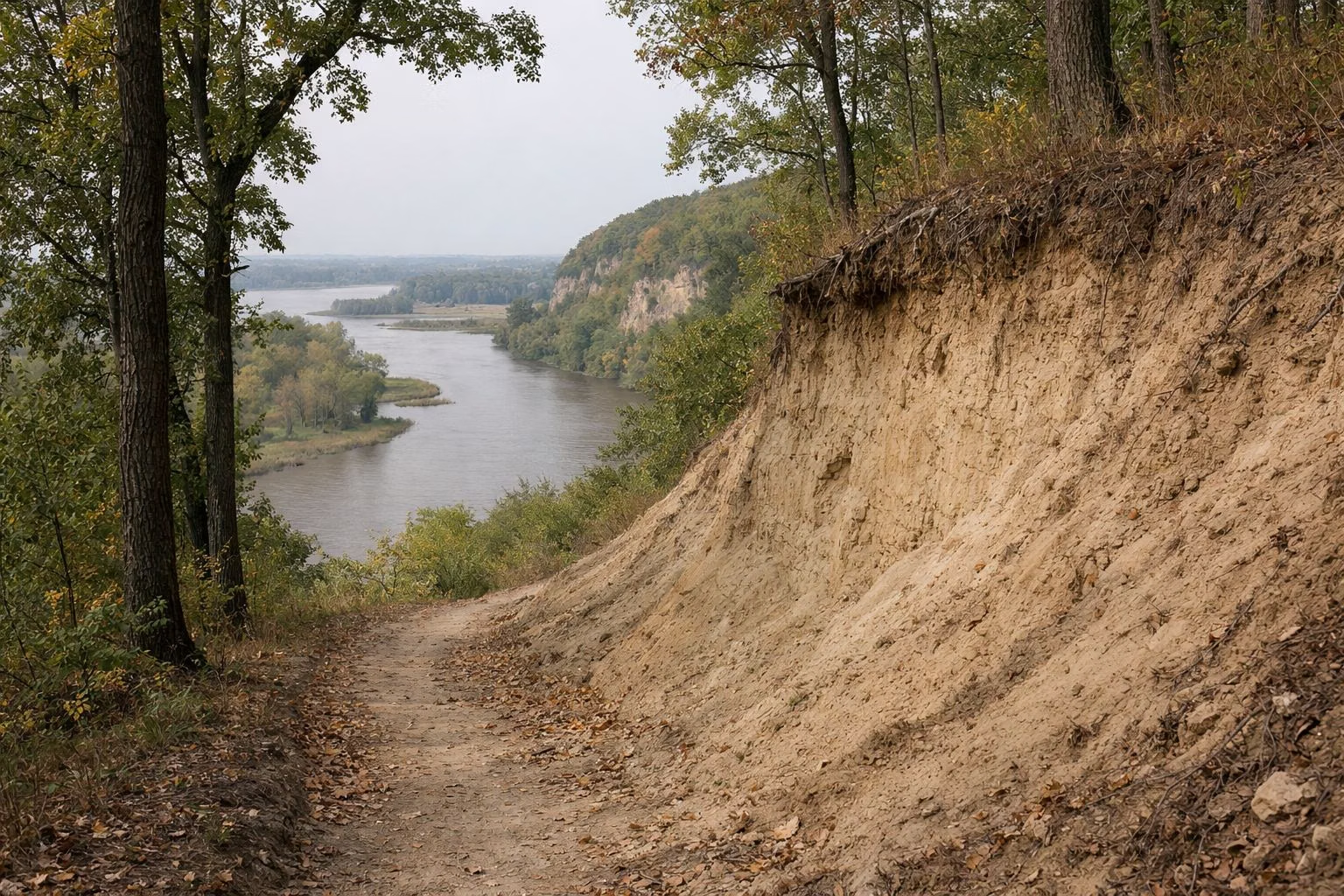
Pere Marquette State Park is a 7,245-acre Illinois state park on the bluffs above the Illinois River near Grafton, named for Father Jacques Marquette, the French Jesuit who passed this way with Louis Jolliet in 1673. Local civic groups and the state bought the land in 1931. Its stone lodge was built by the Civilian Conservation Corps in the 1930s, and the Illinois Department of Natural Resources runs the park today.
The Park at a Glance
Shaped by Ice and Wind
IDNR's history of the park starts with the glaciers that pushed down over most of Illinois but stopped just short of this land. Their meltwater carved the river valleys and ground rock into dust that the wind blew up against the hills. That fine, pale soil is loess, and the Illinois Nature Preserves Commission says it is up to 150 feet thick here. You can see it in the road cuts and trail banks. Oak and hickory forest held the ravines and hills while prairie covered much of the rest of Illinois.
The First People
IDNR says archaeologists describe six Native American cultures in the region, known from pottery, spear points and planting tools. Burial mounds are spread through the park, including one on top of McAdams Peak. When Europeans arrived, most of the people they met were Illini.
Marquette and Jolliet, 1673
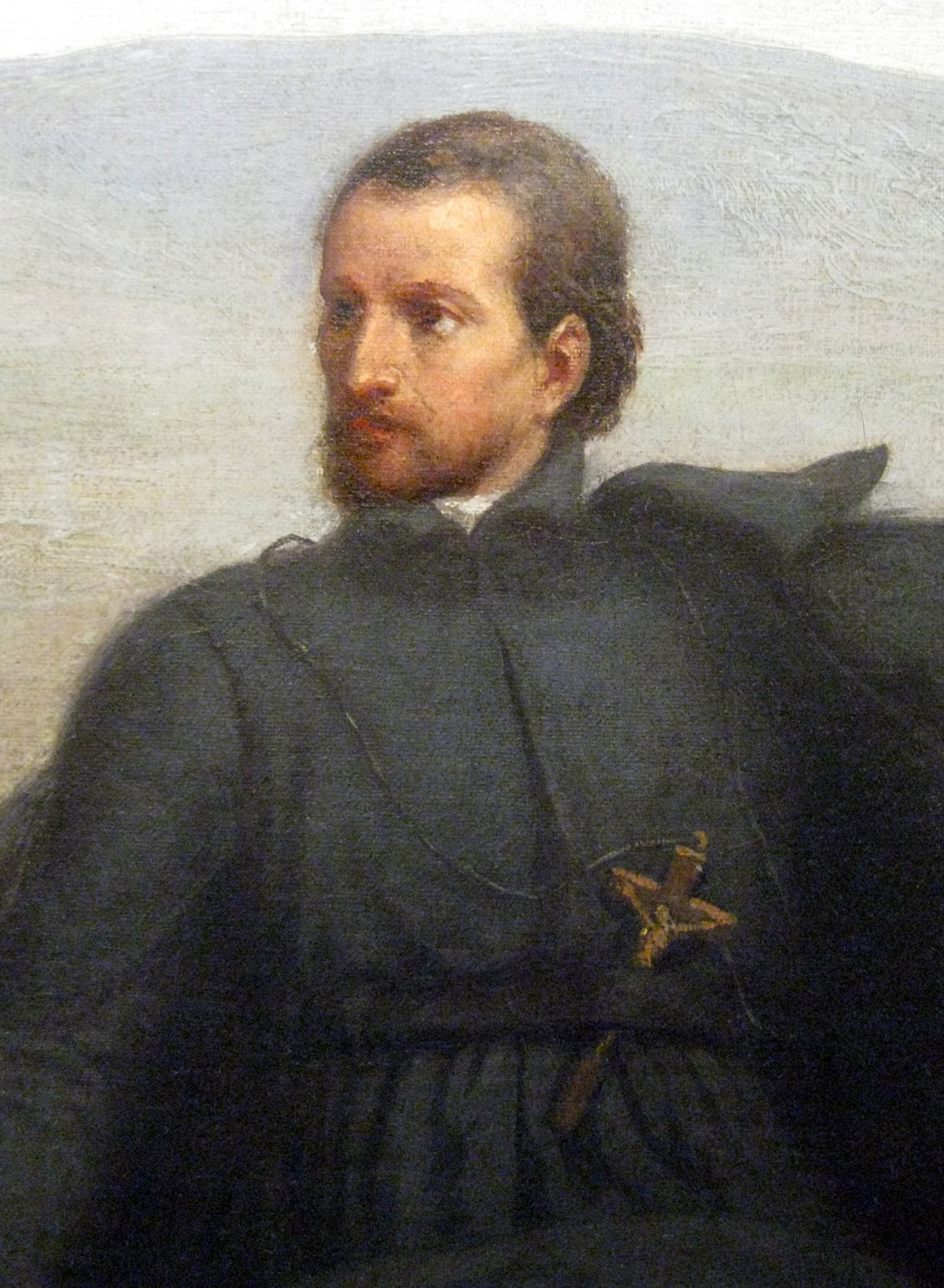
In 1673, the cartographer Louis Jolliet and Father Jacques Marquette, with French voyageurs, paddled down the Mississippi looking for a route to the Pacific. On the bluffs they saw the painted creature later called the Piasa Bird. Told by Native Americans that the river ran to the Gulf of Mexico, they turned back and returned by the Illinois River, stopping near what is now the park. IDNR says a large stone cross east of the park entrance marks that landing.
Piasa Bluffs Becomes Pere Marquette, 1931
Generations later, local civic groups raised money to save this land as a state park, and the state matched their funds to buy it in 1931. The new park was to be called Piasa Bluffs, but by popular demand it was renamed Pere Marquette State Park, after the missionary.
The CCC Lodge
In the 1930s, the Civilian Conservation Corps built the stone-and-timber lodge that still stands at the foot of the bluffs, with its 700-ton fireplace. One of the Visitor Center's films tells the CCC's story in Illinois. See the lodge and the Visitor Center.
The Nature Preserve
Pere Marquette Nature Preserve, dedicated in November 1979, protects 297.4 acres in the north of the park, east of Camp Piasa. The commission says it is the only protected example of the Driftless Section of the Middle Mississippi Border natural division. It holds five plant communities, from limestone outcrops with ferns found nowhere else in the preserve to loess hill prairie with little bluestem and purple prairie clover, and more than 234 bird species have been recorded.
The Park Today
IDNR lists year-round horseback riding, camping, hiking, fishing, hunting and boating, calls the park a bald eagle watching hotspot in January and February, and calls this stretch of the Great River Road one of its most beautiful. Start with plan your visit.
About the Park FAQ
Who is Pere Marquette State Park named after?
Father (Pere) Jacques Marquette, the French Jesuit missionary who explored the Mississippi with Louis Jolliet in 1673 and stopped near the park on the way back up the Illinois River.
When was Pere Marquette State Park established?
The land was bought in 1931, with money raised by local civic groups and matched by the state.
How big is Pere Marquette State Park?
7,245 acres, according to the Illinois Nature Preserves Commission, part of IDNR.
What was Pere Marquette State Park originally called?
It was to be named Piasa Bluffs, after the Piasa Bird legend, but was renamed for Father Marquette by popular demand.
Who built Pere Marquette Lodge?
The Civilian Conservation Corps, in the 1930s.